Peptide Purity Overview 98%, 99% & Research-grade Described Prg
Peptide Purity Overview 98%, 99% & Research-grade Described Prg
Peptide screening is the set of logical checks made use of to evaluate a peptide example before it is made use of in a study process. In functional COA review, the term usually refers to purity screening, identification testing, and documentation review. Pureness testing asks just how much of the spotted example is the primary peptide versus related impurities. Identification testing asks whether the gauged mass or sequence-related evidence matches the desired peptide. Paperwork evaluation asks whether the report is batch-specific, deducible, and detailed sufficient to be investigated. Peptide testing is the logical procedure utilized to validate that a research peptide is both pure and correctly recognized.

Understanding Peptide Pureness Testing
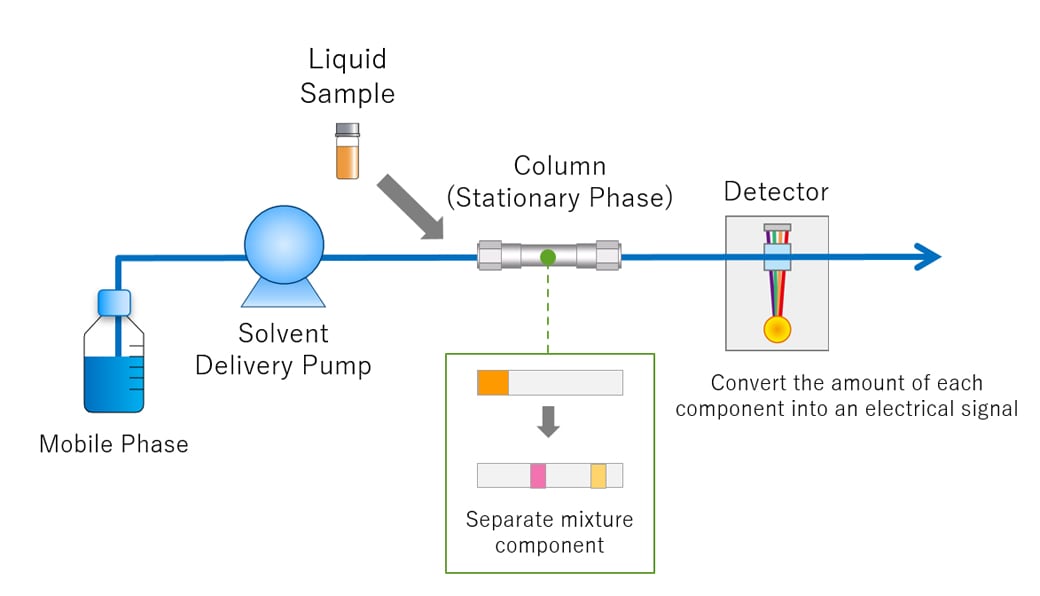
The high quality and dependability of a peptide purity dimension depend upon method criteria and paperwork high quality. The mobile phase, usually a mix of water, acetonitrile, and an acid modifier, is stored in tanks and delivered through the system by a high-pressure pump. The pump preserves specific circulation prices, commonly in the variety of 0.5 to 2.0 mL/min relying on the approach and column layout. High pressure compels the mobile phase with snugly loaded bits inside the column, creating sharper separations and greater resolution than traditional low-pressure chromatography.- We integrate LC-MS/MS and chemical food digestion analysis to precisely validate the sequence and adjustment sites of non-natural customized peptides.
- Certification by appropriate bodies (such as ISO/IEC or certification for GLP/GMP conformity) is a solid indicator of quality.
- BOC Sciences gives accelerated security, light stability, and enzymatic deterioration experiments to systematically evaluate formula stability dangers.
- If the primary peak has a visible "shoulder"-- a bump on one side-- that typically indicates a very closely associated contamination (like a removal peptide) that the column could not completely deal with.
The injector presents a specific volume of example into the mobile-phase stream. Regular injection quantity issues due to the fact that overwhelming the column can expand peaks, misshape purity estimates, or hide nearby impurities. A solid peptide testing process uses methods that respond to corresponding inquiries. The table listed below is the sensible way to think about usual tests when reviewing a peptide COA.
Just How To Read Peptide Screening Outcomes
In theory, peptide purity is measured by the chromatogram produced by reversed stage HPLC, and in addition, we can acquire the number and loved one quantity of possible byproducts by calculating the peak location. A premium chromatogram has a solitary, balanced major height with a level baseline on either side. " Trailing"-- where the peak tracks off gradually on one side-- can indicate column issues, example overloading, or secondary communications in between the peptide and the fixed phase. In this configuration, the fixed phase is hydrophobic (water-repelling), typically C18-bonded silica. The mobile phase is a gradient of water and an organic solvent like acetonitrile, usually with a small amount of trifluoroacetic acid (TFA) to develop the optimals.
Clinical Looks Product Growth
Preserving a high level of purity is vital because impurities can affect bioassays or reactions. For example, truncated peptides or chemically modified side-products could bind to targets or create negative effects that puzzle your outcomes. Specifically changed peptides or cyclic peptide series are challenging to confirm, which affects quality control. We incorporate LC-MS/MS and enzymatic food digestion evaluation to precisely confirm the series and modification sites of non-natural changed peptides. Residual natural solvents, metal ions, or by-products from synthesis might trigger toxic side effects.
For a lot of readers of a peptide newbies' overview, "research-grade" is the realm you operate in. It guarantees you that the peptide will certainly do well in experiments (thinking direct-sarms.Com purity and identification are as specified), however it also brings the caution "Research study Usage Just." This phrase is generally published on the vial or documents. It functions as a tip and legal disclaimer that the item is not a restorative or consumable.